
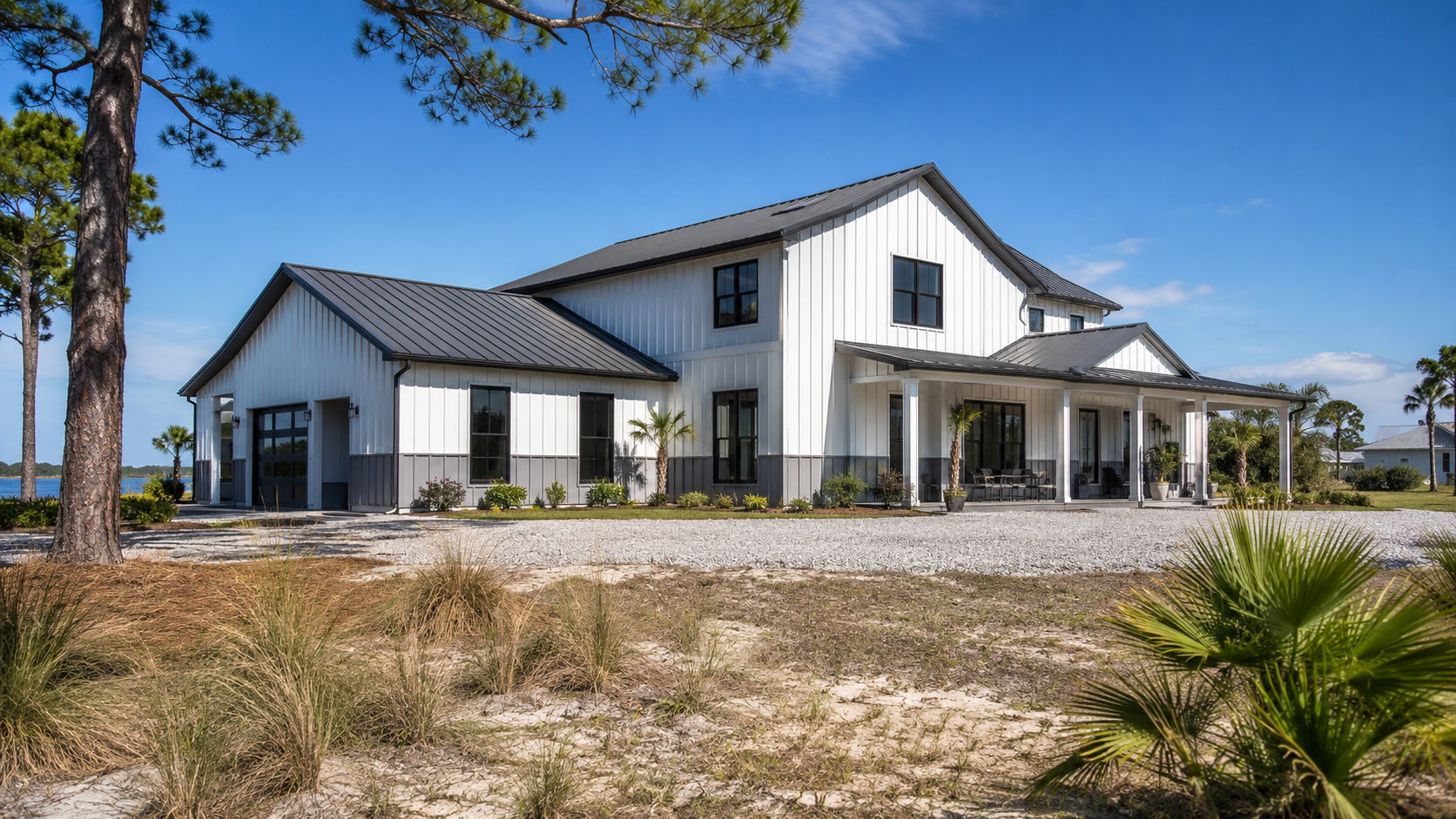
Home additions cost in Northeast Florida is shaped by scope, structural tie-in, and finish level far more than by any single per-square-foot figure you find online, so the smartest first move is to understand the real drivers before chasing a number. Ofir Engineering is a licensed Florida general contractor (License #CGC 1540016) with 15+ years serving Jacksonville, Ponte Vedra, St. Johns, and Northeast Florida.
What Actually Determines Home Additions Cost
When homeowners ask what an addition will run, they usually want one clean number. The honest answer is that price is assembled from several independent variables that stack on top of one another. A modest sunroom that shares an existing wall and roofline sits at one end of the range; a full second-story addition that requires reinforcing the foundation and rerouting the main systems sits at the other. Understanding which variables apply to your project is the difference between a realistic budget and a nasty surprise. That is why a good contractor prices your specific tie-in conditions rather than quoting a generic rate. You can see the scope we cover on our home additions page.
Size and Type: The Biggest Cost Levers
Square footage matters, but the type of addition drives cost even more than raw size. A single-story room addition on grade is the most economical footprint because it extends the existing structure horizontally with a straightforward foundation. An in-law suite adds a kitchenette and full bath, which brings more plumbing and electrical into the equation. A second-story addition is typically the most involved, since crews must confirm the existing foundation and framing can carry the new load—and sometimes reinforce them. Sunrooms fall in between, depending on whether they are conditioned space that ties into your HVAC. The type you choose sets the baseline everything else builds on.
Tying Into Your Existing Home Systems
The invisible work is where budgets quietly grow. Every addition has to marry into what is already there: the electrical panel may need capacity added, the HVAC may need a larger unit or an extended duct run, and plumbing may require new supply and drain lines routed back to existing stacks. Older Jacksonville homes sometimes reveal outdated wiring or undersized panels once walls are opened, and those upgrades protect the whole house, not just the new room. The condition and location of your existing systems is one of the least visible but most consequential cost drivers on any project.
Finish Level and Matching Your Roofline
Two additions of identical size can differ dramatically in price based on finishes. Flooring, cabinetry, trim, windows, and fixtures span a wide quality range, and each step up compounds across the whole space. Just as important in Florida is exterior matching: blending new siding, stucco, and especially the roofline so the addition reads as original construction rather than a bolt-on. Matching an existing roof pitch, shingle, and fascia takes skilled framing and detailing, and it is money well spent—a seamless exterior protects both curb appeal and resale value.
Jacksonville and Coastal Code Factors That Affect Cost
Northeast Florida builds to demanding wind and, in many neighborhoods, flood requirements, and those codes carry real cost. Additions must meet current wind-load standards, which can mean upgraded connectors, sheathing, and impact-rated or protected openings. Homes in flood zones may face elevation and construction requirements that influence the foundation design. These rules exist for good reason on the coast, and they are non-negotiable. You can review Florida’s adopted code through the Florida Building Commission, and a licensed contractor will fold these requirements into your estimate from day one rather than discovering them at permit review.
How to Budget for Home Additions the Smart Way
The best budgets start with priorities, not a price. Decide which elements are essential—square footage, a specific use, a must-have finish—and which are flexible. Build in a contingency for the unknowns that older homes reveal once construction begins, and get a scope-specific estimate rather than a rough phone number. A clear, itemized proposal lets you see exactly where your money goes and make informed trade-offs. When you are ready to price your project against real conditions, our team can walk your home and outline the cost drivers that apply to you; learn more about our home additions services first, or reach out through our contact page.
Frequently Asked Questions
What has the biggest impact on home additions cost?
Type and structural tie-in usually outweigh raw size. A ground-level room addition costs less than a second-story addition that may require foundation reinforcement, and connecting to existing electrical, plumbing, and HVAC is often the hidden driver.
Does matching my existing roofline cost more?
Yes, but it is worth it. Matching pitch, shingles, and fascia so the addition looks original takes careful framing and detailing, and a seamless exterior protects both curb appeal and resale value.
Do Jacksonville’s coastal codes really raise the price?
They can. Wind-load requirements and, in flood zones, elevation rules add engineered connectors and specific construction methods. These are code-mandated for safety and are built into a proper estimate from the start.
Is Ofir Engineering licensed to build additions in Florida?
Yes. Ofir Engineering is a licensed Florida general contractor, License #CGC 1540016, with 15+ years of experience building additions throughout Jacksonville and Northeast Florida.
Keep Building With Ofir Engineering
Related discussions & follow us: Facebook · Reddit
Latest & related guides: Explore more Home Additions guides →