
When homeowners search for home addition builders near me, the draw schedule is rarely the first thing on their mind – and it is often the thing that determines whether the project runs smoothly. A construction loan does not hand you a lump sum. It releases money in stages, each one released only after an inspector verifies that the work behind it is genuinely complete. Understanding that mechanism, and what stalls it, is how you keep a Florida addition on schedule. Ofir Engineering is a licensed Florida general contractor (License #CGC 1540016) with 15+ years serving Jacksonville, Ponte Vedra, St. Johns, and Northeast Florida.
What a Draw Schedule Is and Why Lenders Require One
A draw schedule is a table agreed before closing that divides the loan into stages, assigns a dollar amount to each, and defines what must be finished before that amount is released. It exists to protect everyone. The lender never advances money against work that does not exist, so its collateral always has value. The homeowner is not exposed to a contractor who has been paid ahead of production. And the contractor has a predictable, documented path to payment rather than an argument at every invoice.
On a renovation or addition loan the schedule is built around the specific scope, not a generic template. A structural addition with a new foundation has different milestones than a bathroom reconfiguration, and a lender that does not tailor the schedule usually creates cash-flow friction later. The general framework for how these loans are underwritten and disclosed is covered by the Consumer Financial Protection Bureau.
The Typical Draw Stages on a Florida Home Addition
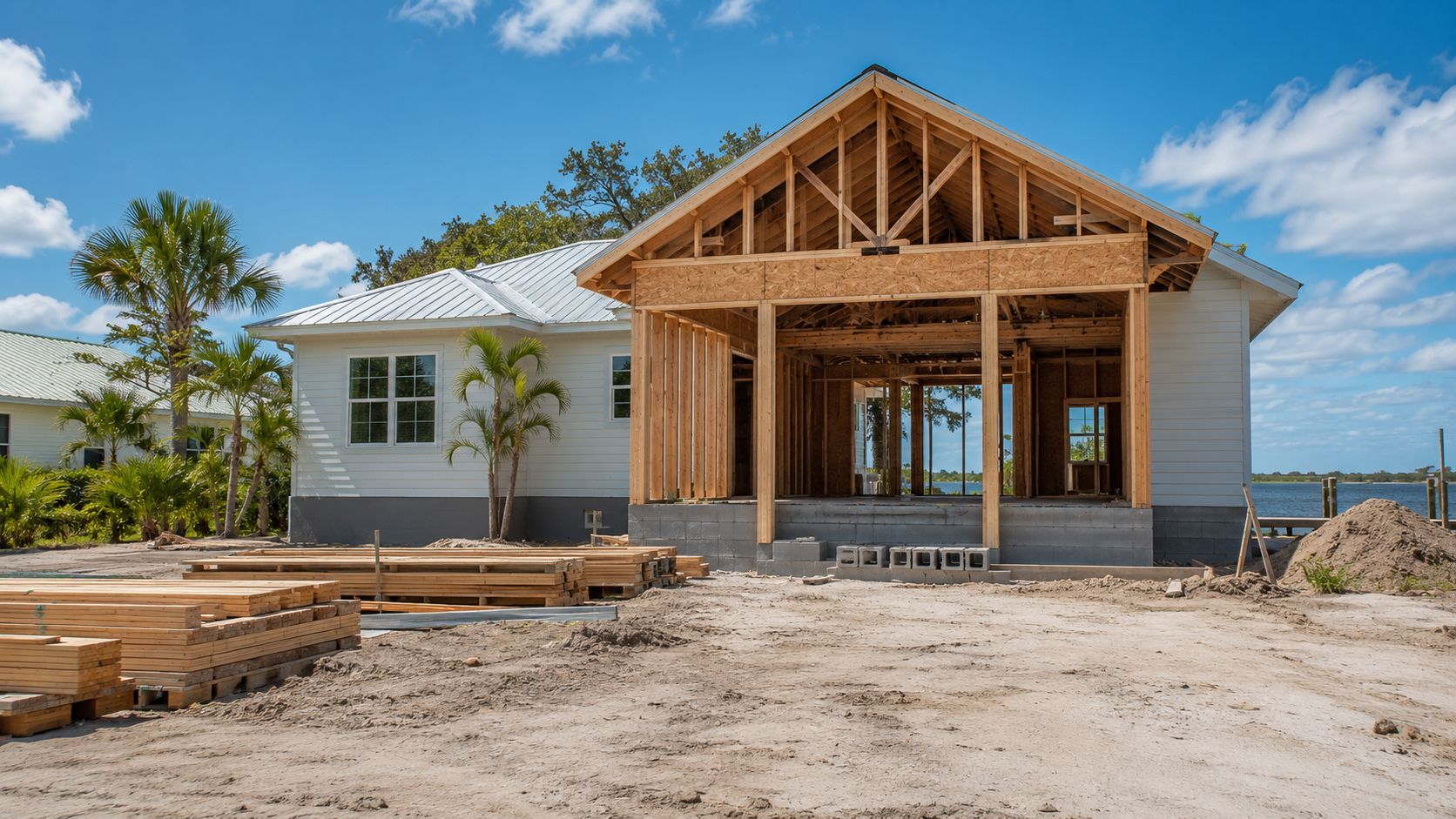
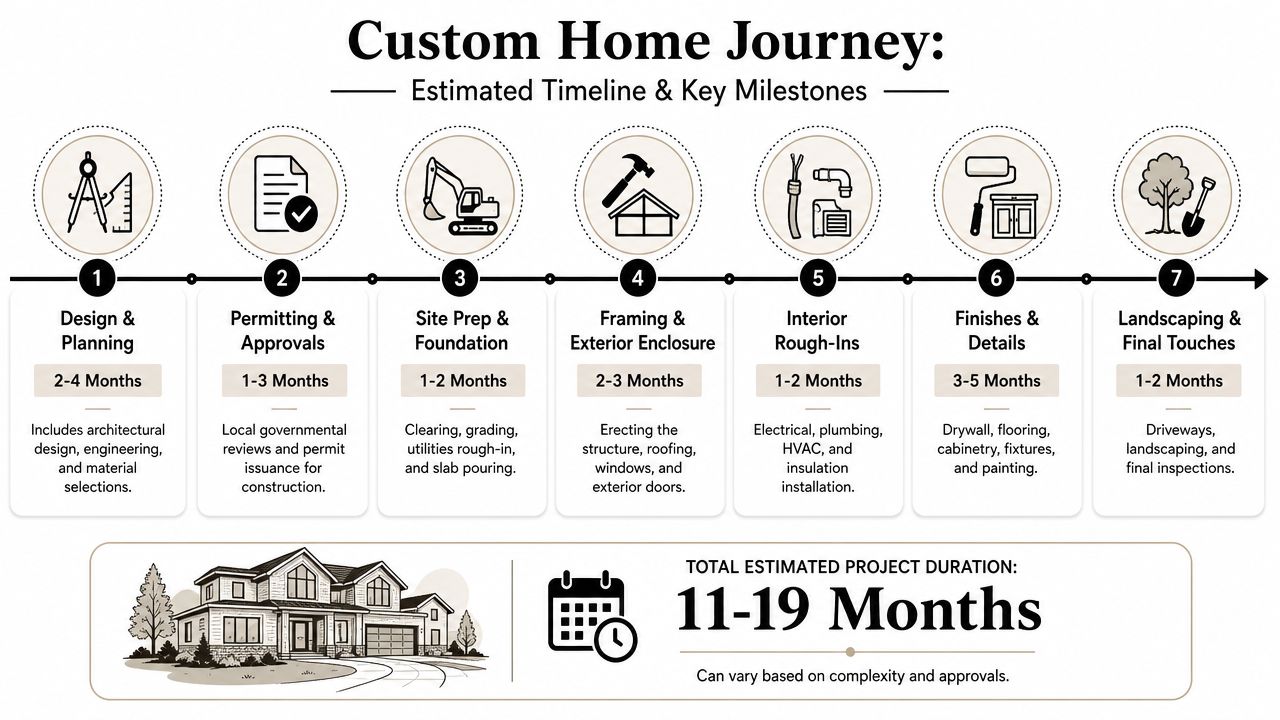
Most Florida addition draw schedules follow the physical sequence of the work. An initial draw at closing or permit issuance covers mobilization, permit fees and deposits on long-lead materials. The next follows foundation and slab, once footings and the slab for the addition are placed and the county has passed the associated inspections.
Framing and roof dry-in is usually the largest single draw, because it represents the greatest jump in the property’s value and it removes weather exposure. Rough-in mechanical, electrical and plumbing follows, released after the trade inspections pass. Insulation and drywall comes next, then interior finishes, then a final draw at certificate of completion or occupancy. Many Florida lenders also hold retainage – a percentage of each draw withheld until final completion – which contractors need to price into their own cash flow.
What Actually Triggers a Draw Release
Four things generally have to line up. A draw request from the contractor identifying the completed line items and the amount. A third-party inspection, ordered by the lender, confirming the percentage of completion in person. Lien waivers from the general contractor and from every subcontractor and material supplier paid from the prior draw. And where required by the loan, evidence that county inspections for that stage have been passed.
Lien waivers deserve particular attention in Florida. Under the state’s construction lien law, a supplier or subcontractor who has not been paid can record a lien against the property even if the homeowner paid the general contractor in full. Lenders therefore treat waivers as non-negotiable, and a missing waiver from a single supplier can hold an entire draw. A builder who collects waivers as a routine part of each pay cycle prevents this; one who chases them after a draw is requested creates the delay.
What Delays a Draw
The recurring causes are predictable. Work that is nearly complete but not actually complete – an inspector who arrives to find the stage at ninety percent will typically approve nothing for that line item, and the draw waits for a re-inspection. Missing or incorrectly executed lien waivers. Change orders that were performed but never formally approved and added to the budget, leaving the draw request out of alignment with the loan documents.
Failed county inspections are another, since a stage that has not passed inspection cannot be certified complete. Insurance or permit documentation that has lapsed will stop a draw cold. And on the lender’s side, appraisal or title update requirements at certain stages can add time that has nothing to do with the jobsite. Weather delays are less of a draw problem than owners expect – they move the calendar but not the mechanism.
How the Builder You Choose Changes the Cash Flow
This is the practical reason the draw schedule belongs in your builder interview. A contractor experienced with Florida construction lending will negotiate a draw schedule that matches the real sequence of the work, front-load nothing, carry enough working capital to fund the gap between performing work and receiving the draw, and maintain the documentation discipline that keeps inspections and waivers ready.
A contractor without that experience will typically ask for large deposits, run out of cash between draws, and slow the job while waiting for money – which then delays the next draw, compounding the problem. Ask directly how many lender-financed projects they have completed, who handles their draw paperwork, and how they manage subcontractor payment between draws. Our overview of home addition builders in Jacksonville covers what else to ask.
Aligning the Draw Schedule With the Construction Schedule
The two schedules should be built together. Every draw milestone ought to correspond to a real, inspectable construction milestone, and the number of draws should be high enough to keep cash flowing but low enough that inspection fees and administrative time stay reasonable. Long-lead items – impact-rated windows and doors, HVAC equipment, specialty structural components – need a funding path that does not wait for a late-stage draw, or procurement stalls.
Our guides to the home addition timeline and to construction loans in Florida show how the construction and financing calendars fit together, and our draw schedule guide for custom builds covers the ground-up equivalent.
Ofir Engineering is a licensed Florida general contractor, License #CGC 1540016, and any contractor’s license can be verified through the Florida DBPR portal. Our home additions team builds draw schedules with lenders as a standard part of pre-construction; to start one, use our contact page.
Frequently Asked Questions
How many draws does a typical Florida home addition have?
Most addition loans use somewhere between four and seven draws, tied to permit and mobilization, foundation, framing and dry-in, rough-in trades, drywall, finishes, and final completion. The exact count depends on the lender and the scope, and should be negotiated before closing.
Why is my draw being held when the work looks finished?
The most common reasons are a stage that is not fully complete at the inspection, a missing lien waiver from a subcontractor or supplier, or a change order performed without formal approval. All three are documentation problems rather than construction problems, and all three are preventable.
Do I pay the contractor directly or does the lender?
It varies. Some lenders disburse to the homeowner, who then pays the contractor; others pay the contractor directly, sometimes with joint checks to subcontractors. Confirm the mechanism before closing, because it changes who is responsible for collecting lien waivers.
What is retainage and will it apply to my addition?
Retainage is a percentage of each draw the lender withholds until final completion, as security that the job will be finished. It is common on Florida construction lending. Contractors should price it into their cash flow, and homeowners should know when it is released.
Keep Building With Ofir Engineering
Related discussions & follow us: Facebook · Reddit
Latest & related guides: Explore more Home Additions guides →